•
Z E R O T O L E R A N C E
Zero tolerance is an approach used in crime prevention and crime control that emerged as part of the Safe and Clean Neighborhoods program introduced in New Jersey in the mid-1970s. Today, it is often associated with issues such as drunk driving and sexual abuse, but originally, it was introduced as a solution of a criminological theory. According to the Broken Windows Theory, crime is an inevitable consequence of disorder and chaos. If a window is broken and left unrepaired, passersby may think no one cares about the building, which can attract further criminal activity. Therefore, disorder should not be tolerated, even in its smallest form.
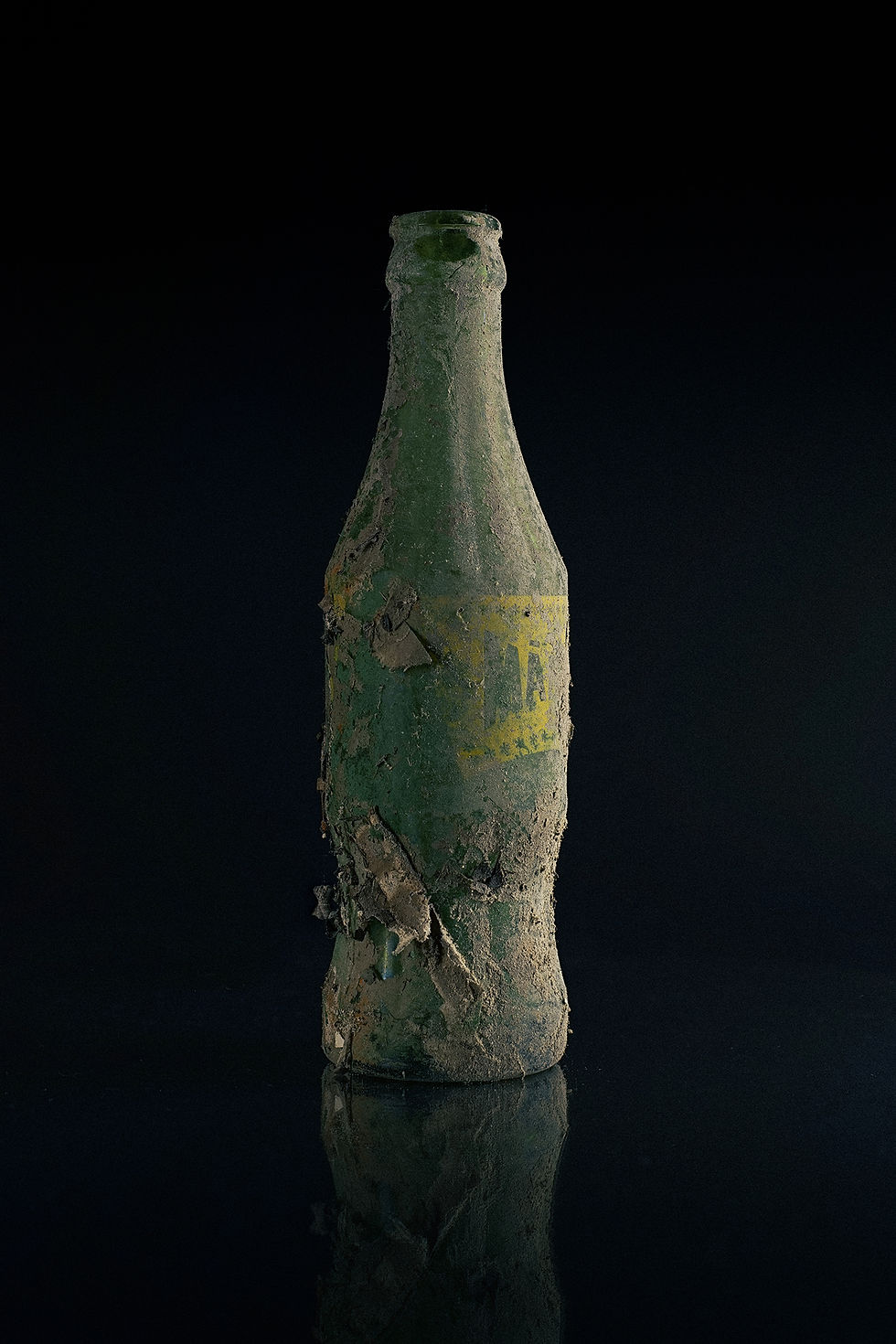
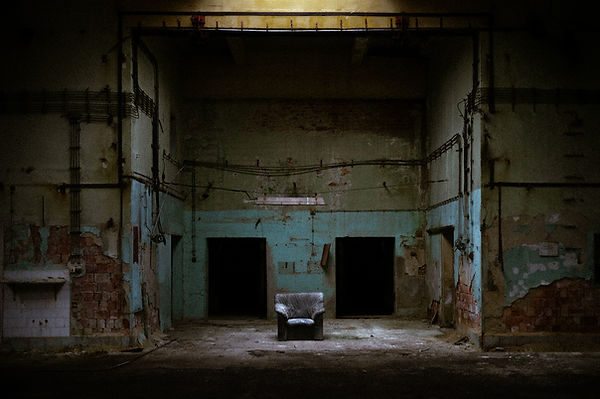
This photo series depicts the end of this process, using the example of a factory “squandered” after the change of regime in Hungary. The series evokes the memories of a lost world within the cruel reality of the dystopian present.
I want to raise awareness of the importance of our industrial heritage and the problems related to privatization.
B I O
Mikes Tamás Kiss (21) is a Budapest-based photographer whose work focuses on documenting places and communities. He has been taking photographs since childhood and has worked as a freelance photographer since 2022, covering events in a professional capacity, including corporate gatherings and community programs.
His documentary projects explore the histories embedded in environments and subcultures, from abandoned industrial sites to the urbex community, capturing the traces of human activity and the passage of time. He approaches photography as one of the most powerful tools for shaping historical memory—his aim is to preserve moments that might resonate decades from now, revealing the present to future generations.
He graduated in Photography from the Moholy-Nagy University of Art and Design in 2026